01
Patentability and prior-art searches
We search the field and report what already exists, with a written read on novelty. Sometimes that read says the space is too crowded to be worth a filing fee.
Read moreFilament Legal is an intellectual property firm built on that experience. We draft, file, and prosecute patents and trademarks, for corporate portfolios and for people filing their first application. We know what a strong application looks like because we spent years deciding which ones deserved to issue.
Fig. 1. Incandescent lamp. 14, carbon filament.
Maurice Williams did that job for seventeen years. Your application lands in the same queue he worked, judged against the same rules he applied thousands of times.
We draft claims expecting the rejection they will draw rather than the one we hope they avoid. We write specifications carrying the support an examiner looks for when you need to amend two years later. When an office action arrives, we read it as the opening of a negotiation.
Your invention and your name are separate assets, registered separately and on different clocks. We handle both.
01
We search the field and report what already exists, with a written read on novelty. Sometimes that read says the space is too crowded to be worth a filing fee.
Read more02
A patent is only as broad as its claims. We write specifications that support the claim set you need now and the amendments you will want later, in language an examiner can allow.
Read more03
Most applications draw at least one rejection. We answer on the merits and request an interview when a call will move faster than paper.
Read more04
Whether to file, what to file, what to hold back as a trade secret, and what a portfolio is worth in a raise or a sale. We work that out with you before any paperwork starts.
Read more05
A conflict found after the packaging is printed costs a rebrand. We screen the federal register, state filings, and what is trading in the market.
Read more06
Filing the right mark, in the right classes, on the right basis. Getting the goods and services description correct at the start prevents most of the trouble that follows.
Read more07
Likelihood of confusion, descriptiveness, and specimen problems account for most refusals. Most are answerable with the right evidence, and every one of them carries a deadline.
Read more08
Rights erode through non-use and through tolerating infringement. We watch the register for encroaching filings and keep every declaration and renewal docketed.
Read moreThe ranges below are what we typically see. Your art unit and the complexity of the technology move them.
Watch Maurice walk through the process (1:44)You tell us what you built and what you want to protect. We tell you whether a patent, a trademark, a trade secret, or nothing at all is the right instrument. The call costs you nothing.
We search the field and report back plainly: what exists, how close it sits to your invention, and where the open space is. When that space is too narrow to justify the filing fee, we say so.
Specification, drawings, and claims. You review a full draft and we revise it with you. The inventor always knows a detail the attorney does not, and that detail is often the claim that survives.
A provisional holds your date while you keep developing or raising money. A non-provisional enters the examination queue. We recommend based on how settled the invention is and how fast your market moves.
The examiner responds and we respond back, through amendments, arguments, and interviews, until the claims are allowable or we agree the fight has stopped being worth it. You hear from us on every action.
Grant starts the next phase. Maintenance fees come due, continuations can cover what you built since, and licensing or enforcement decisions arrive. We hold the calendar so you do not have to.
All three get the same drafting. The difference is in how many filings we recommend and in what order.
Portfolio strategy across product lines, coordinated filing programs, freedom-to-operate work, and attorneys who can talk to your engineers in their own vocabulary because they hold the same degrees.
Filings sequenced around your runway and your raise. We help you spend the first dollars where they buy the most protection, and we tell you which filings can wait.
Straight answers, no jargon, and an honest read on commercial reality before you spend your own money.
Neither of them needs an invention translated before they can draft claims for it.
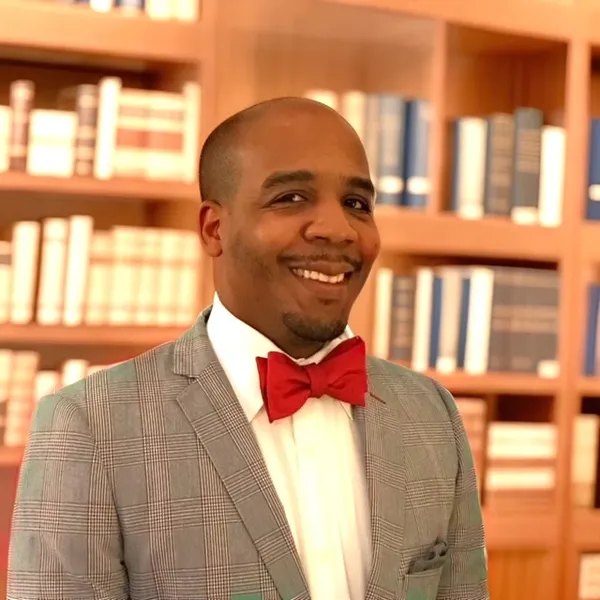
Managing Partner
Maurice built his practice on the other side of the examination desk. He reviewed applications for the USPTO for seventeen years and served more than a decade as Mechanical Representative for the Patent Office Professional Association before moving into private practice. He carries a precise sense of what separates an application that issues from one that stalls.
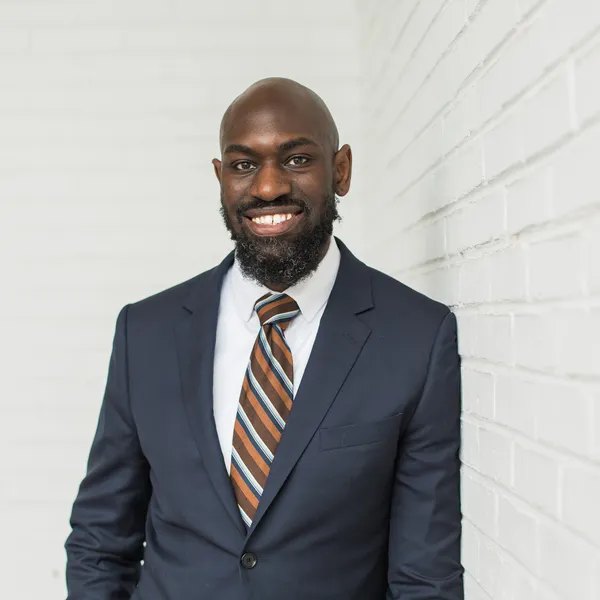
Counsel
Greg is a registered patent attorney whose work centers on mechanical and electrical technologies, including renewable energy systems, optics systems and devices, and mechanical apparatus of most descriptions. He began his career as counsel to two members of Congress and worked closely with the Senate Judiciary Committee, so he reads shifts in intellectual property law with a clear sense of how they get made.
Our name comes from the part of the lamp that makes the light.
Latimer worked as a draftsman before he worked as an inventor. He rendered mechanical drawings well enough that the patent world came to him for them. He went on to patent a better process for manufacturing the carbon filament inside the incandescent lamp.
He did all of it as a Black inventor in an industry that left him very little room. We took the name because Latimer did both halves of this job. He understood the machines, and he knew the patent system from the inside.
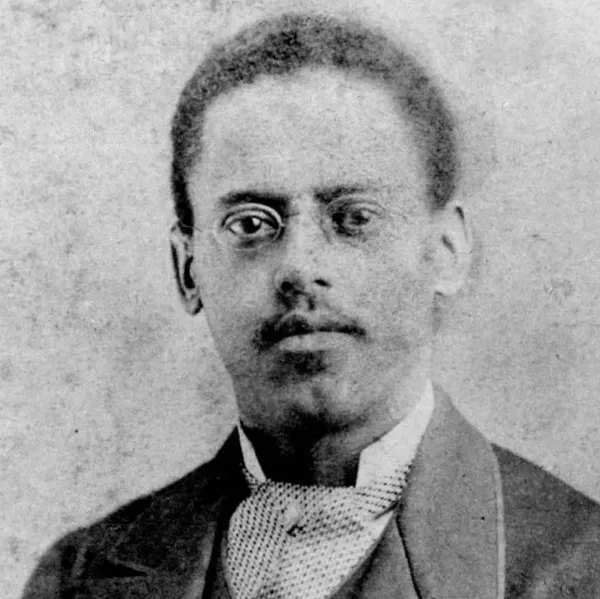
He drew patent figures well enough that the patent world came to him for them.
A patent gives you the right to stop others from making, using, or selling what you invented. That right keeps competitors out of the lane you built. It also turns the idea into an asset an investor can underwrite or a buyer can license. Whether those jobs justify the cost depends on your market, and that is the first thing we will talk about.
You are allowed to file on your own. A patent is only as broad as the claims you wrote, and claims are unforgiving. A narrow claim set, or a specification that fails to support the amendment you need three years later, usually cannot be repaired after filing.
That is the specific failure our background is built to prevent. We spent years reading applications that were technically complete and legally too weak to be worth much.
A provisional application is a lower-cost placeholder. It secures a filing date and lets you say “patent pending” for twelve months, but it is never examined and never becomes a patent on its own. A non-provisional application enters the examination queue and is what eventually issues.
Provisionals help when the invention is still moving or you are raising money. They work badly when they are used to postpone hard drafting decisions, since a provisional only protects what it actually describes.
It means an application is on file at the USPTO and has not yet issued, so you cannot sue anyone while it is pending. Once it publishes, it can start a reasonable-royalty clock you collect on after the patent issues, provided the infringer had notice and the granted claims hold. It also puts the market on notice, and that notice often changes how competitors and investors behave long before a patent grants.
Using a mark in commerce creates limited rights in the geography where you actually sell. Federal registration extends presumptive rights nationwide, puts your claim on a public register that competitors have to clear around, and unlocks enforcement tools you otherwise lack.
For anyone planning to grow beyond their current footprint, registering early costs far less than renaming later.
No, and be wary of anyone who suggests otherwise. A patent grants a legal right to exclude. It creates leverage in licensing, in fundraising, and in negotiation, and what you do with that leverage remains a business decision. Part of our job is helping you decide whether the leverage justifies what it costs to acquire.
Preparing and filing a non-provisional application usually takes us four to eight weeks from disclosure, depending on complexity and how quickly we get your review. After filing, the USPTO controls the clock. First examination commonly arrives one to two years out, and total pendency to grant is frequently two to three years. Trademarks move faster, often around a year when nothing is contested.
It costs nothing, and you will come away knowing whether what you built is protectable. We say so plainly when it is not.